


Picture a Tuesday arvo at the Cairns Esplanade, salt still on your towel, thumb scrolling a freshly loaded keno app while numbers start drawing. You’re chasing a 7-spot on a five-inch screen.
Aussie keno fans defo rotate between number-draws and lighter drop-and-bounce titles on sites like https://plinko-online-au.com, and that cross-game habit shapes whether a phone-first setup helps or hinders you.
Regulars reckon the real edge lives in session management, not the ticket, because the maths behind every draw is unforgiving.
Mobile Keno: What the Phone Actually Has to Get Right
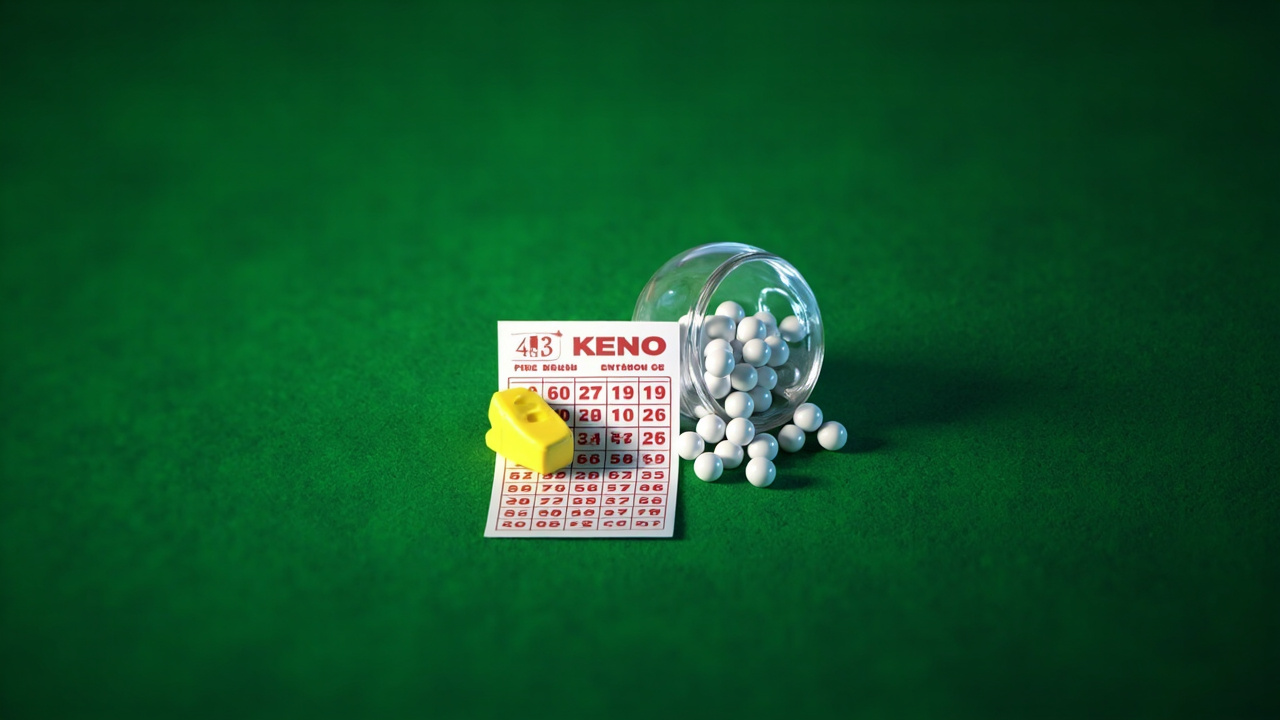
Mobile keno isn’t a shrunken desktop lobby bolted onto a vertical screen; it has to behave like a tool you’d happily use at a busy Cairns bus stop or on the lounge during a wet arvo. From a portfolio angle, I judge keno products the way I score CRM funnels for high-value players: by the friction between intent and action, measured in taps and seconds. A solid mobile keno experience starts with a browser version that loads cleanly without a dedicated app, because not stripesbook.com every player wants another icon eating storage, and no worries about juggling downloads. Responsiveness matters more than a flashy feature list: the bet slip has to render the same way on a six-year-old Android in Townsville as on a flagship iPhone, and draw animations need to honour reduced-motion settings. Performance is where most keno apps quietly fail, with frames dropping when a player picks fifteen numbers and the live draw kicks in, killing the rhythm of the game. Navigation should keep the bet slip, draw schedule, and cashier within a thumb’s reach of the bottom edge, not buried in a hamburger menu three layers deep. Mobile-first fit also means respecting data, because keno rounds can fire dozens of small network requests per minute, and a well-built client batches them so a regional player on a patchy 4G signal near the Cairns Marina isn’t punished with buffering mid-draw.
Two Player-Fit Scenarios on a Phone
The Commuter in a Hurry
The Cairns Sunbus regular who taps in a quick four-spot between stops is the kind of player most keno apps are quietly failing. A commute-friendly session is two minutes long at most, so the bet slip needs one-tap number saving, a preset stake, and a clear countdown that doesn’t require scrolling. The draw should auto-play with sound off by default, respecting the bus cabin. For this player, mobile usability isn’t a bonus; it’s the entire reason they bothered opening the app. The session ends, the ticket history logs automatically, and there is a one-tap path back to it tomorrow morning. Anything that demands a login refresh, a re-download, or a swiped-through T&Cs wall is dead weight, and the thumb is already moving to a competing game on the home screen.
The Loungeroom Strategist
On the other end, the loungeroom player spreads a 10-spot across a slow Saturday arvo, working through combinations, marking favourites, and switching between cards before a single draw. For them, the mobile keno interface has to support the kind of considered play that real strategy demands. Basic strategy in card games is the mathematically optimal play for every hand versus the dealer’s up card, and keno has its own equivalent: knowing the house edge on each spot count, matching ticket size to bankroll, and avoiding the temptation to chase 10-spots when a 4-spot pays better over time. A phone-first product that handles this player well offers multi-card views, persistent number selection across sessions, and a side panel that shows the live payout table without obscuring the bet slip. It has to behave just as well on a phone in landscape mode propped against a pillow. When the player walks away, the app should remember favoured combinations, because that data is the bridge between one arvo of play and the next.
What Mobile-First Keno Should Feel Like in Practice
From a CRM and player-data perspective, the same principle that makes a high-value iGaming portfolio predictable also explains why keno margins hold steady over thousands of draws. The “central limit theorem” underpins why casino profits are so predictable, and the more a phone-first product captures clean session data, the more it can serve each player the right game at the right moment without nagging them. That means surfacing the right spot count for someone who plays 4-spots rather than 8-spots, quietly pointing out withdrawal windows when a player is on a heater, and never pushing a stake that doesn’t fit the bankroll profile. Good mobile keno respects a player’s attention the way a well-tuned CRM respects a VIP’s inbox: with relevance and a behaviour pattern that feels natural, not engineered. Multi-channel communication matters too, because a well-timed push notification about a draw starting in two minutes can pull a player back into a session they would otherwise have missed. When the screen, the data layer, and the maths at the centre of every draw all line up, the phone stops feeling like a compromise and becomes the only place a serious keno player wants to be, whether they are chasing a four-spot on the commute or nursing a 10-spot across a wet Cairns Saturday arvo with the ceiling fan on high.
A keno session lives or dies in the seconds between opening the app and the first draw, not in the ticket itself. Choose a product that loads fast, keeps the bet slip within thumb’s reach, and respects your data plan, and the rest becomes a question of maths and patience. The phone can be your sharpest keno table if you let it.